A closer look at infrastructure growth, business hubs, and lifestyle-led communities shaping the city's residential demand.
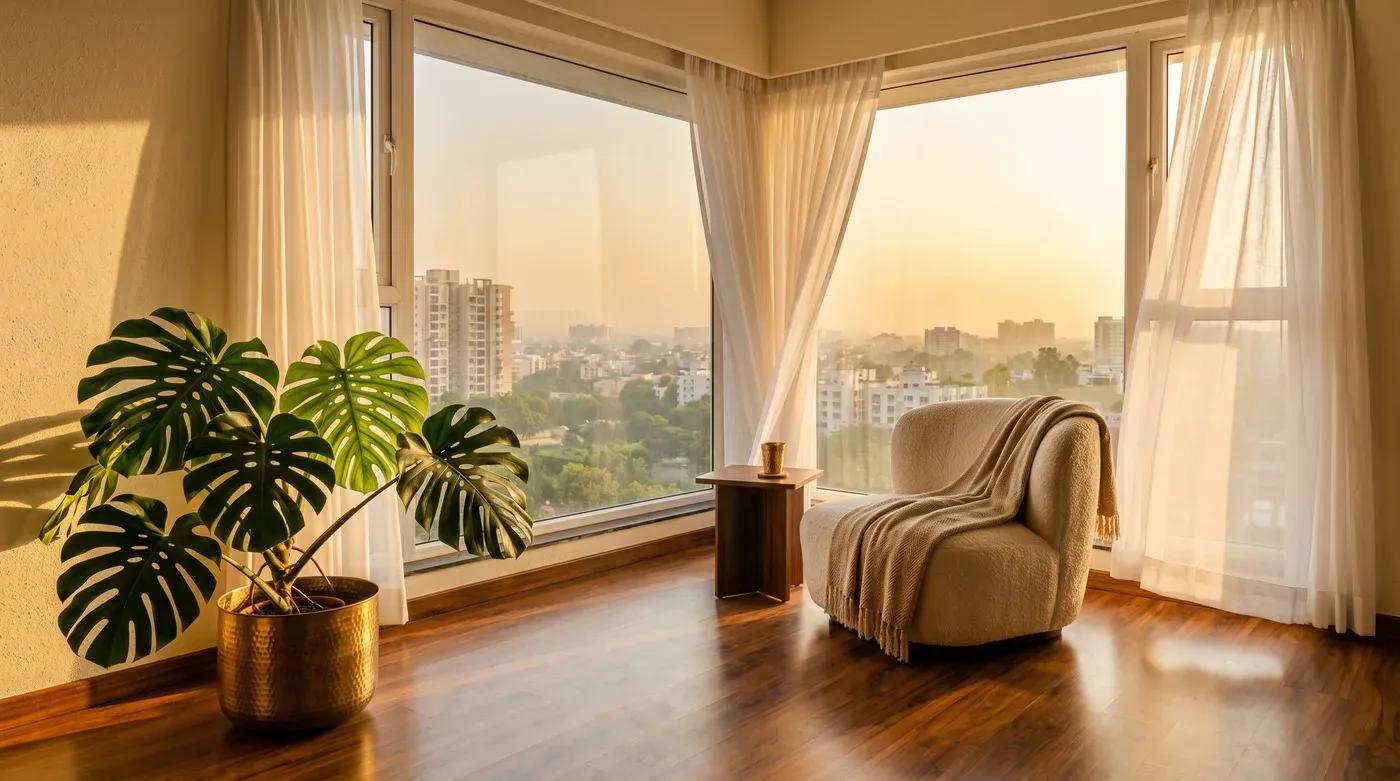
Raipur has spent the last decade quietly rewriting what it expects from a home. Where a plot and a boundary wall once counted as ambition, buyers now ask about walkability, daylight, shared green, and how long the school run takes. That shift is not loud, but it is decisive — and it is reshaping how we design.
The change begins with infrastructure. New corridors have pulled workplaces out of a single congested centre and spread them across the city. A commute that once dictated where a family could live now leaves room for choice, and choice is what turns a plot into a neighbourhood.
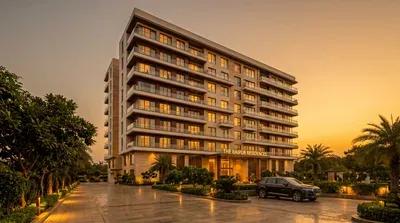
We have learned to design for the hours between. A tower is easy; a place where people linger on a Tuesday evening is not. Landscaped decks, shaded walks, and courts sized for actual games rather than photographs are the difference between an address and a community.
None of this is quick. Land takes years to assemble, approvals longer still, and the trees that make a street worth walking need a decade before anyone notices them. That patience is the work — the long, quiet part that never photographs well but is the only reason a place still feels right twenty years on.
A tower is easy. A place where people linger on a Tuesday evening is not.